

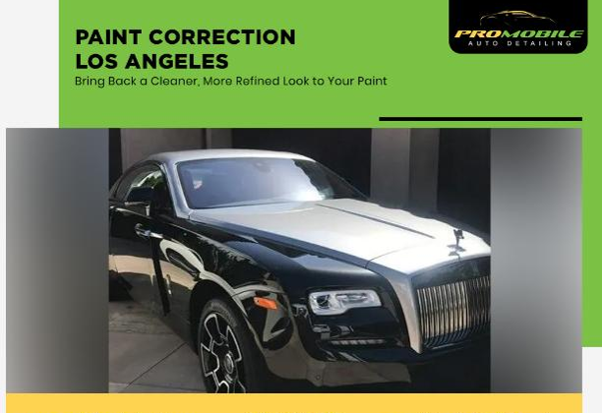
This blog contains a guide to how paint correction restores your car’s original shine by reducing swirl marks, fine scratches, oxidation, and dull spots. It explains the correction process, common paint problems, and simple maintenance tips to help preserve a smooth, glossy finish for longer.
Paint can lose its shine over time due to sunlight, road dust, swirl marks, and improper washing. Even a car that receives regular care can develop a dull finish that hides its original color and gloss. The paint correction Los Angeles services help improve the appearance of your vehicle by reducing visible paint defects. With the right process, your car can regain a smoother finish, reflect light more evenly, and look cleaner without needing a new paint job.
Paint correction is a detailing process that improves the appearance of a vehicle’s clear coat. Detailers use special polishing tools and products to reduce fine scratches, swirl marks, oxidation, and other surface defects. These flaws scatter light and make paint look cloudy. By refining the surface, paint correction helps light reflect more evenly, creating a deeper shine and a clearer finish.
The process starts with a thorough wash and inspection. This helps reveal the paint’s actual condition before polishing begins. Depending on the damage, a detailer may use a light polish or a more involved correction process. The goal is to improve the finish while removing as little clear coat as possible.
Paint correction can also make your car’s color look richer. Dark paint may appear deeper, while lighter shades can look cleaner and brighter. Although the process cannot repair every type of damage, it can make a noticeable difference when dullness and fine surface marks affect the finish.
Everyday driving can affect your vehicle’s paint, even when you wash it often. Paint correction can help improve several common surface problems:
A proper correction process involves more than running a polishing machine over the car. First, the vehicle is washed to remove loose dirt and grime. The detailer then inspects the paint under suitable lighting to identify scratches, dull areas, and other defects. This step helps guide the choice of products, pads, and polishing methods.
During auto paint correction Los Angeles services, the detailer may use different polishing stages based on the paint’s condition. A lighter polish can improve minor marks, while more noticeable defects may require a carefully controlled cutting stage followed by a finishing polish. Each vehicle is different, so the process should match the paint rather than follow a one-size-fits-all method.
After polishing, the surface is cleaned and checked to assess the results. Some vehicles need only a single polishing stage, while others may require more work. The aim is not to remove every mark at any cost. Instead, a professional detailer balances visible improvement with the need to preserve the clear coat. This careful approach helps protect the finish while improving its appearance.
Once your paint has been corrected, good washing habits help preserve the result. Use a pH-balanced car shampoo, a clean microfiber wash mitt, and soft drying towels. Avoid harsh brushes and dirty clothes, which can create new swirl marks. Washing with care may seem like a small step, but it can make a noticeable difference over time.
Parking in a garage or shaded area can also reduce exposure to sunlight and falling debris. Remove bird droppings and tree sap promptly using products designed for automotive paint. These contaminants can affect the finish if left on the surface for too long. Regular cleaning also helps you spot new marks before they become harder to address.
Many owners choose to add a protective product, such as wax or ceramic coating, after correction. Paint correction improves the finish, while a suitable protective layer can help make routine cleaning easier and reduce the impact of some contaminants. Protection does not make paint scratch-proof, so careful washing and ongoing maintenance still matter.
Paint correction can restore much of your car’s original shine by reducing swirl marks, fine scratches, oxidation, and other surface defects. The process improves how light reflects from the paint, helping the color appear clearer and more vibrant. Results depend on the paint’s condition, the depth of the damage, and the correction method used. For paint correction Los Angeles, a professional inspection can help you understand what improvements are possible and which care steps will help maintain the finish.
Ready to bring back your car’s shine? Contact Pro Mobile Auto Detail to discuss your vehicle’s paint condition and explore professional paint correction services tailored to its needs. Our team can help you understand the process and choose the right approach for a cleaner, glossier finish.
1. What does paint correction do?
Paint correction uses polishing techniques to reduce swirl marks, fine scratches, oxidation, and other surface defects, helping your car’s paint look smoother and glossier.
2. Can paint correction remove every scratch?
No. It can reduce many surface-level defects, but deep scratches that reach through the clear coat or paint may require additional repair.
3. How long does paint correction take?
The time depends on the vehicle’s size, paint condition, and level of correction required. A basic job may take hours, while extensive work can take longer.
4. Should you apply ceramic coating after paint correction?
Ceramic coating can help protect the corrected finish and make cleaning easier. The paint should be properly prepared before the coating is applied.
5. How can you prevent swirl marks after correction?
Wash your car with clean microfiber tools, use automotive shampoo, avoid abrasive brushes, and dry the surface gently to reduce the risk of new swirl marks.